by rmil2k | Feb 6, 2024 | News
[ad_1] Applications 05/02/2024 506 views 11 likes Throughout its 16-year working life, the second European Remote Sensing satellite, ERS-2, returned a wealth of information that revolutionised our perspective of our planet and understanding of climate change. As well...
by rmil2k | Feb 6, 2024 | News
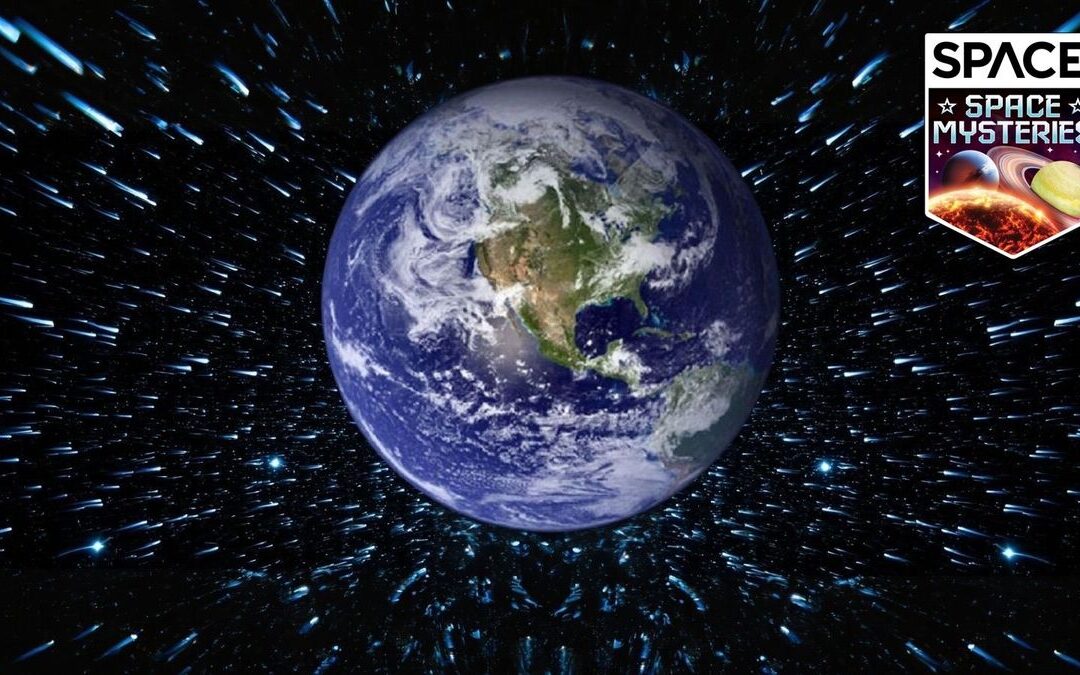
[ad_1] Earth is under constant bombardment by cosmic rays, showers of high-energy particles that blast our planet from all directions at near light speed.While this might sound like the precursor to a sci-fi alien invasion, it is a real phenomenon that scientists have...
by rmil2k | Feb 5, 2024 | News
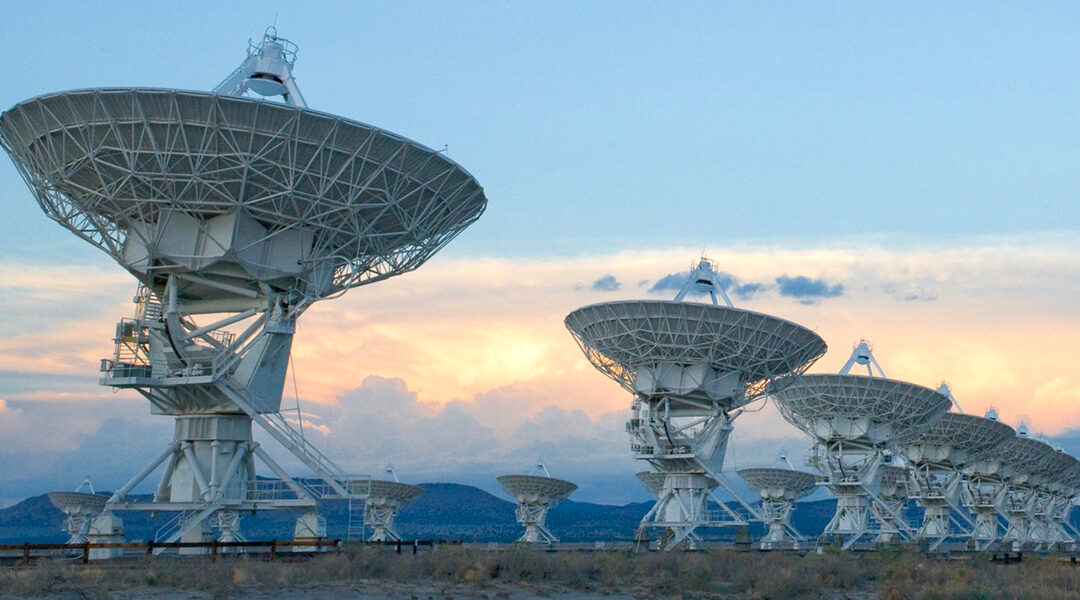
[ad_1] Radio telescopes, such as the dishes of the Very Large Array in New Mexico, can observe during daylight hours. Credit: Alex Savello/NRAO Can we study the universe in the daytime? It seems astronomical observations usually happen at night. Rishi VardhanPatna,...
by rmil2k | Feb 5, 2024 | News
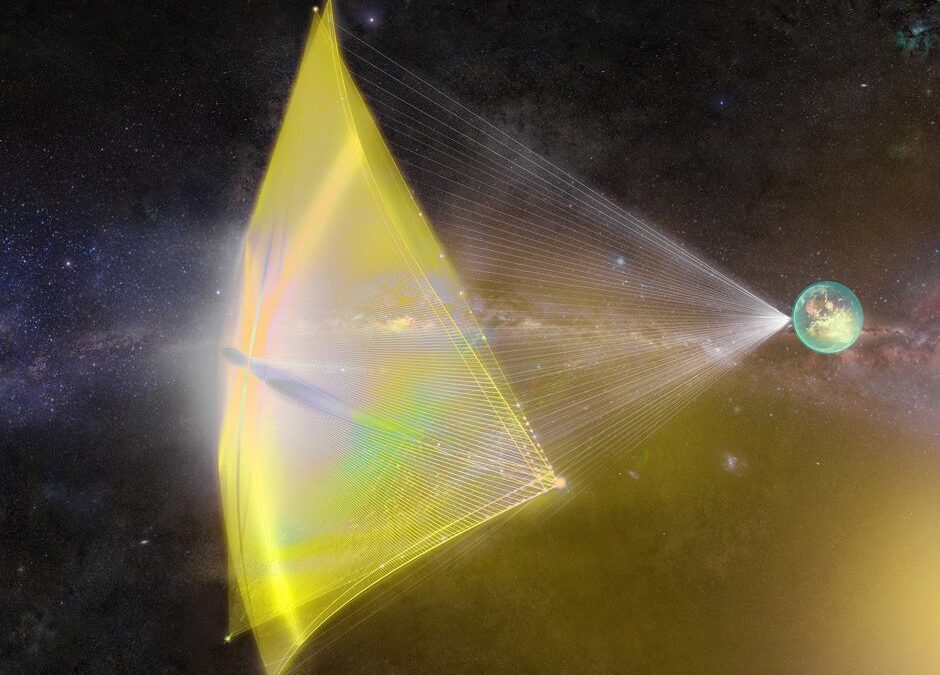
[ad_1] It’s a long way to the nearest star, which means conventional rockets won’t get us there. The fuel requirements would make our ship prohibitively heavy. So an alternative is to travel light. Literally. Rather than carrying your fuel with you, simply attach your...
by rmil2k | Feb 5, 2024 | News
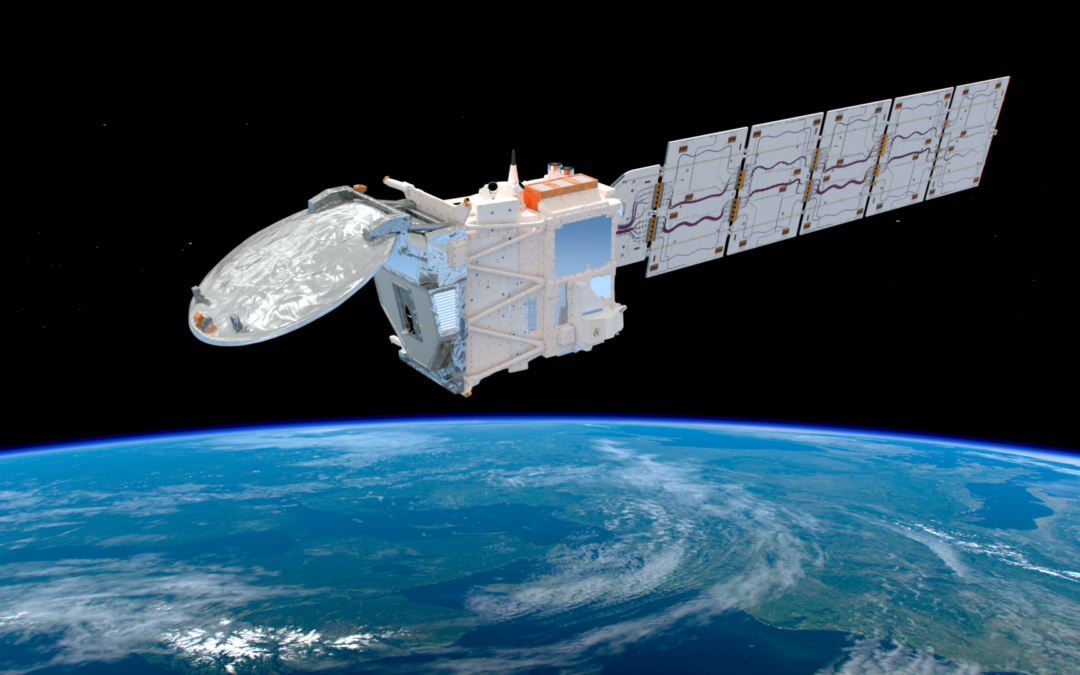
[ad_1] Applications 01/02/2024 1373 views 18 likes Dedicated to delivering a wealth of new information on exactly how clouds and aerosols affect Earth’s climate, ESA’s EarthCARE satellite has had the chance to show off prior to engineers embarking upon the careful...