by rmil2k | Sep 20, 2023 | News
[ad_1] Back to Article List The distant ice giants are currently being watched with Hubble and New Horizons. Scientists want to add your images to the mix. Uranus (left) and Neptune are our solar system’s most distant planets. Credit: NASA/JPL-Caltech; NASA The...
by rmil2k | Sep 19, 2023 | News
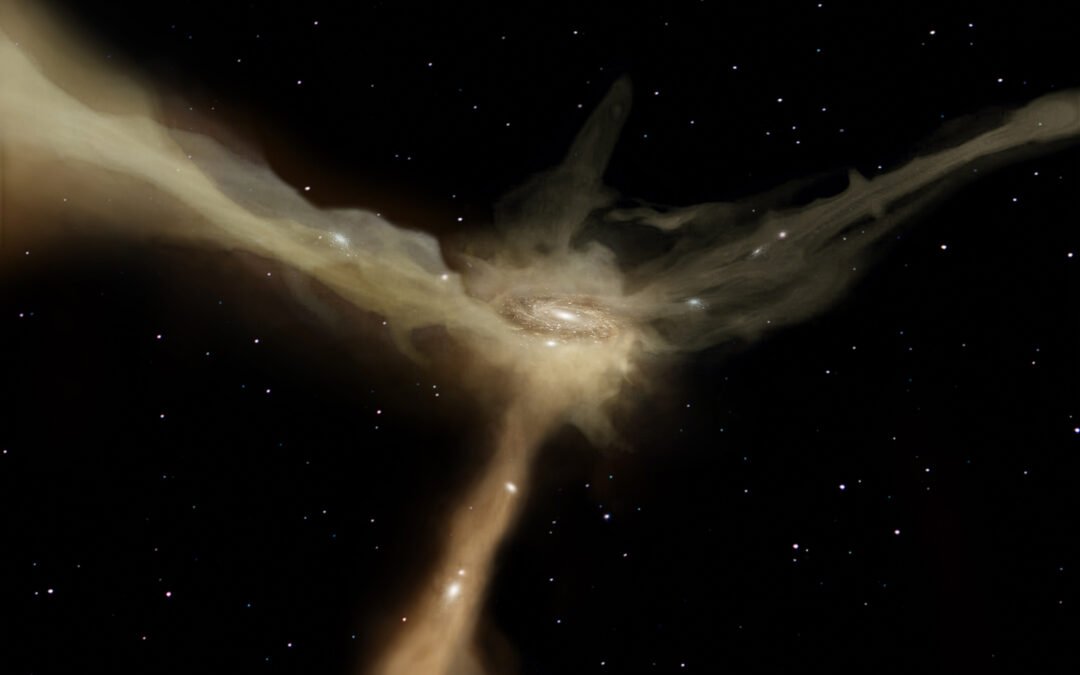
[ad_1] For most of the history of astronomy, all we could see were stars. We could see them individually, in clusters, in nebulae, and in fuzzy blobs that we thought were clumps of stars but were actually galaxies. The thing is, most of what’s out there is much harder...
by rmil2k | Sep 19, 2023 | News
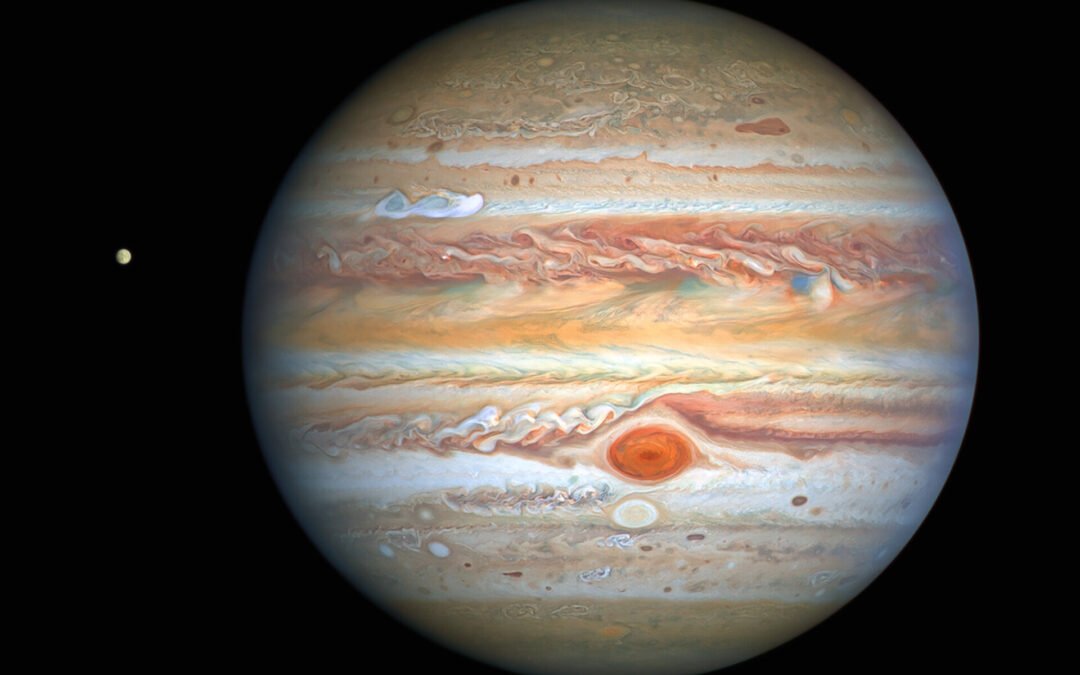
[ad_1] Enabling & Support 19/09/2023 1352 views 30 likes In brief At their closest point in orbit, Earth and Jupiter are separated by almost 600 million kilometres. At the time of writing, five months after launch, Juice has already travelled 370 million...
by rmil2k | Sep 19, 2023 | News
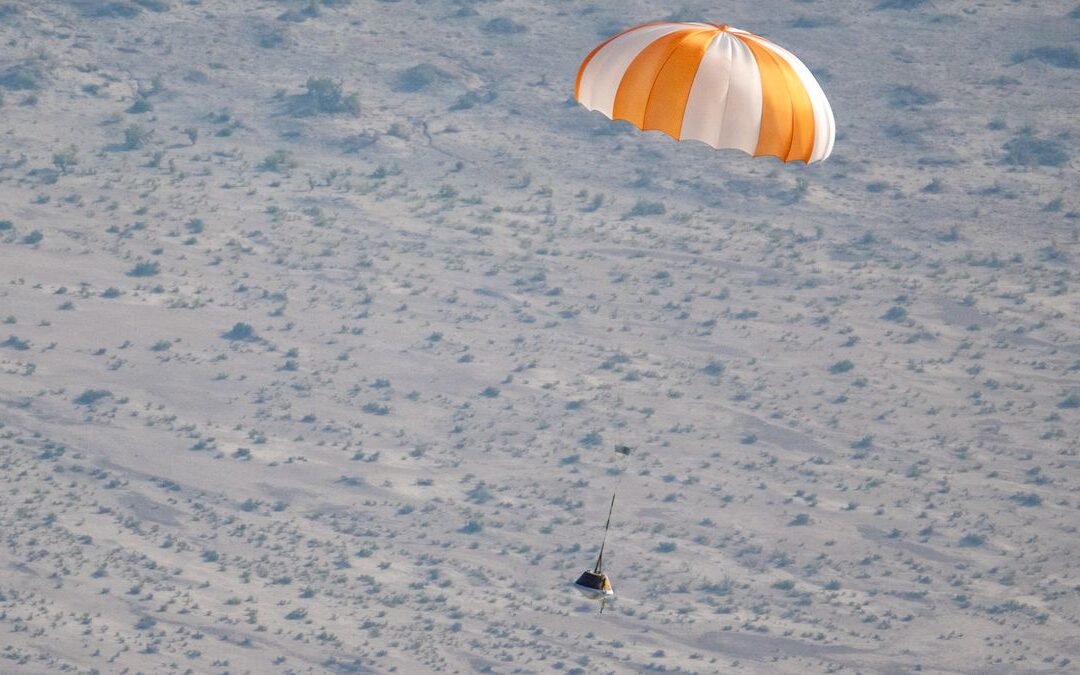
[ad_1] After seven years flying through space, a spacecraft capsule carrying a precious asteroid sample will touch down on Earth under parachutes this weekend. But what if it crashes? A crash of NASA’s OSIRIS-REx descent capsule on Sept. 24 is “the stuff...
by rmil2k | Sep 19, 2023 | News
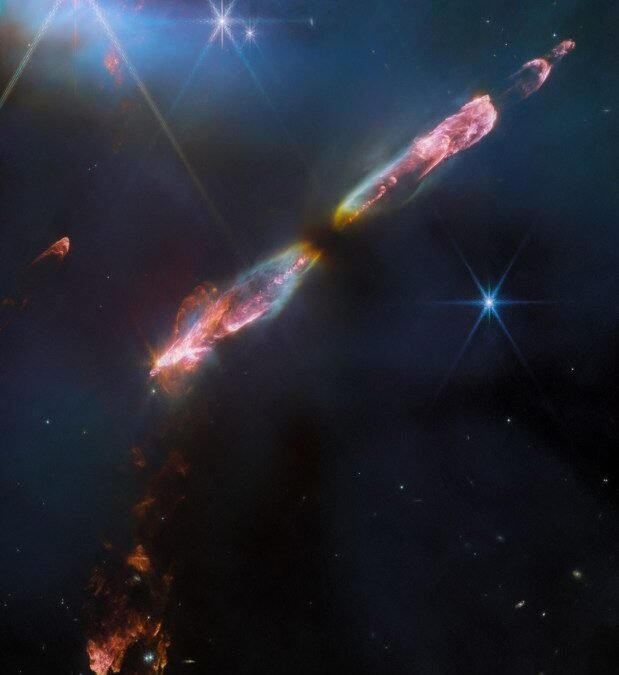
[ad_1] Back to Article List Herbig-Haro 211 provides an unprecedented look at a baby sun. ESA/Webb, NASA, CSA, T. Ray (Dublin Institute for Advanced Studies) A striking image made with the James Webb Space Telescope reveals intricate details of Herbig-Hario 211 (HH...