by rmil2k | Jun 14, 2023 | News
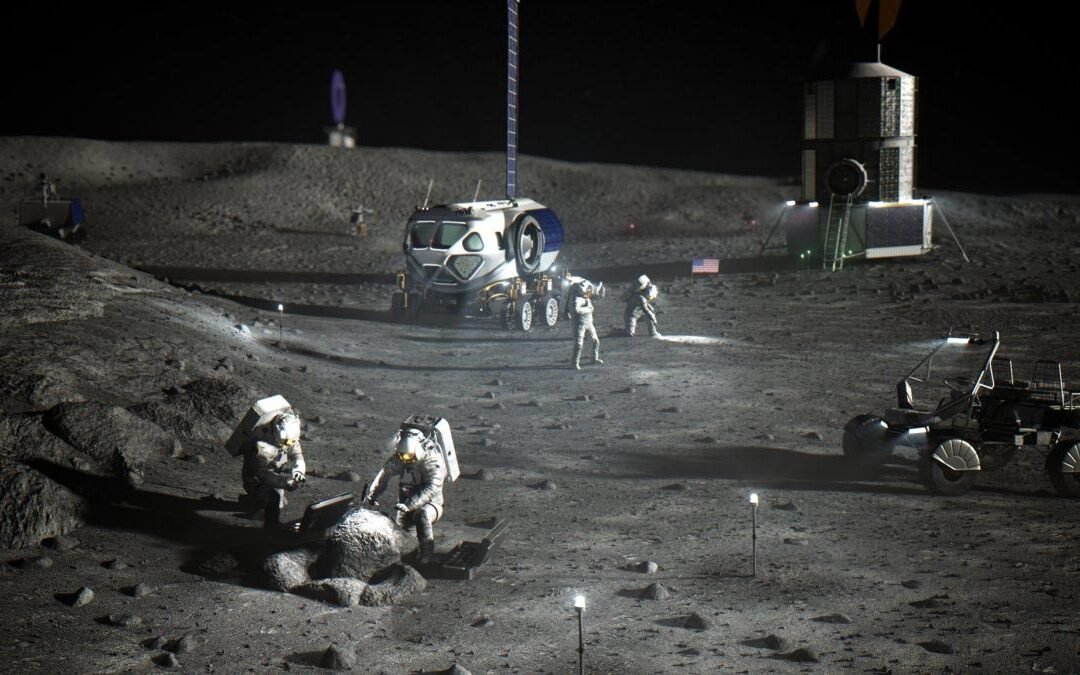
[ad_1] Lunar regolith (aka. Moondust”) is a major hazard for missions heading to the Moon. It’s everywhere on the surface – 5 to 10 meters (~16.5 to 33 feet) in depth in some places – not to mention jagged and sticky! During the Apollo missions, astronauts learned how...
by rmil2k | Jun 13, 2023 | News
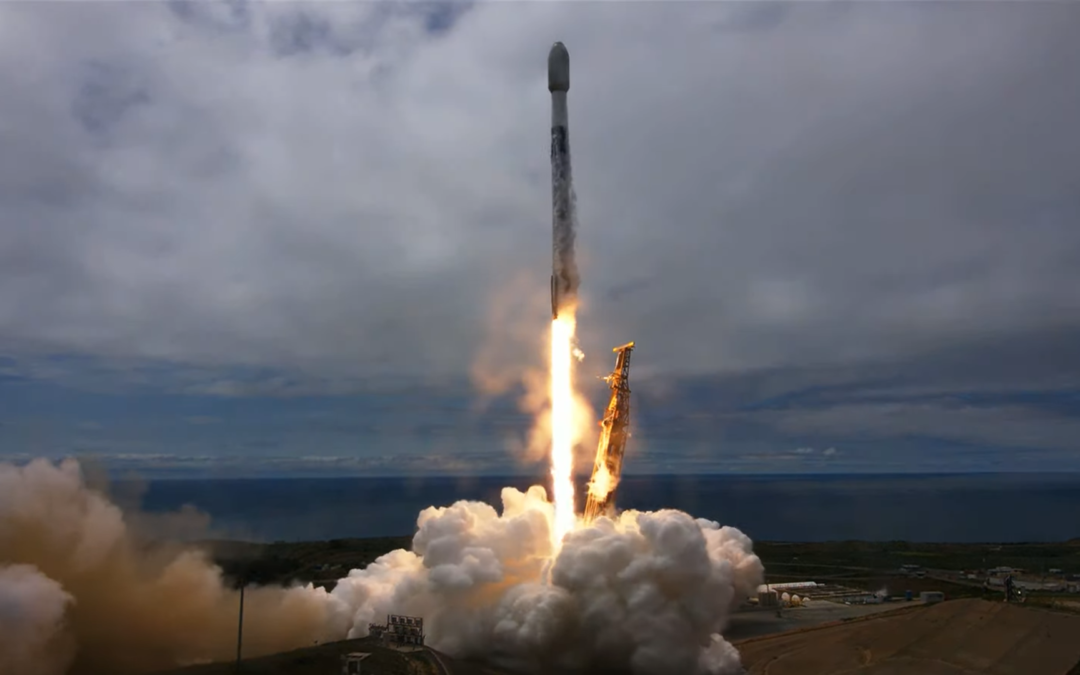
[ad_1] Applications 13/06/2023 541 views 33 likes A second pair of satellites that use light to communicate with each other has been launched. The satellites were developed under an ESA Partnership Project with satellite manufacturer and operator Spire Global based in...

by rmil2k | Jun 13, 2023 | News
[ad_1] That’s no moon. It’s two moons!With its former DNA firmly rooted in the legends and lore of “Star Wars,” “Rebel Moon,” is a highly-anticipated original Netflix sci-fi project coming from director Zack Snyder...
by rmil2k | Jun 13, 2023 | News
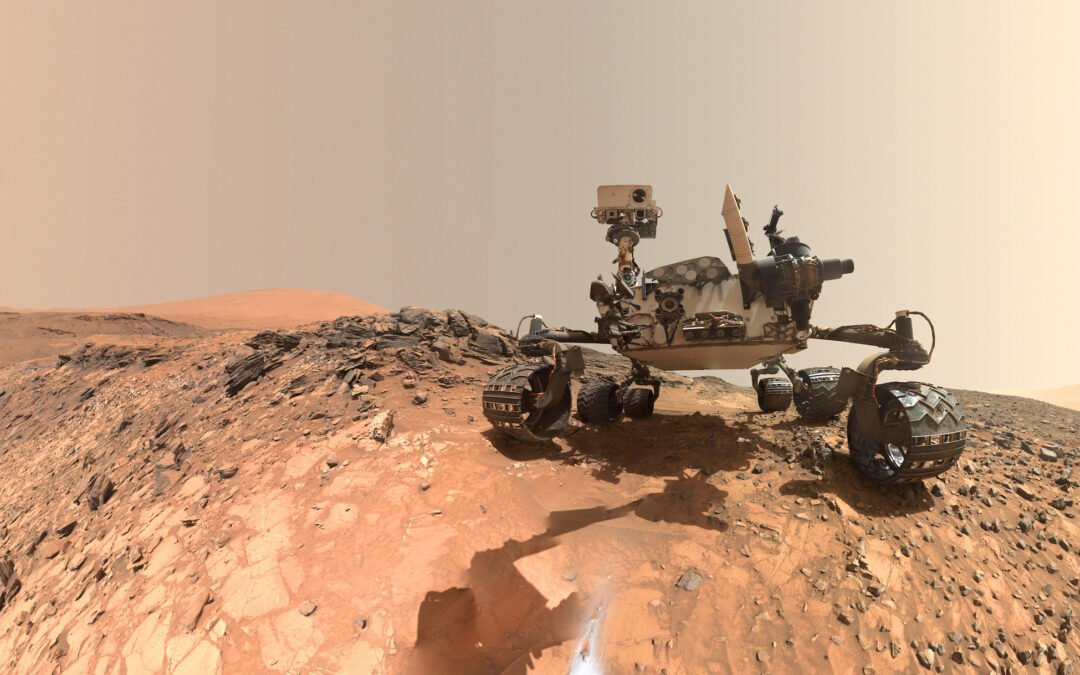
[ad_1] Back to Article List Like when you take a selfie, Curiosity’s robotic arm is typically not visible. Plus, these aren’t just one image, but a composite of many. Curiosity took this unique low-angle selfie shortly after drilling a rock called...
by rmil2k | Jun 13, 2023 | News
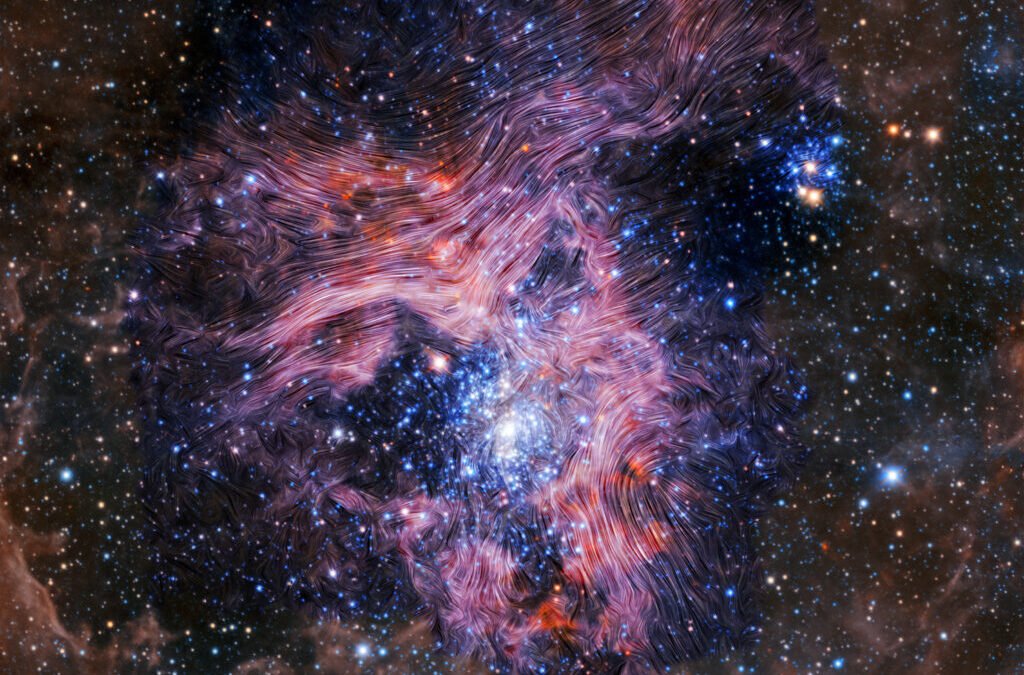
[ad_1] The Tarantula Nebula is a star formation region in the Large Magellanic Cloud (LMC). Tarantula is about 160,000 light-years away and is highly luminous for a non-stellar object. It’s the brightest and largest star formation region in the entire Local Group of...