by rmil2k | Apr 21, 2024 | News
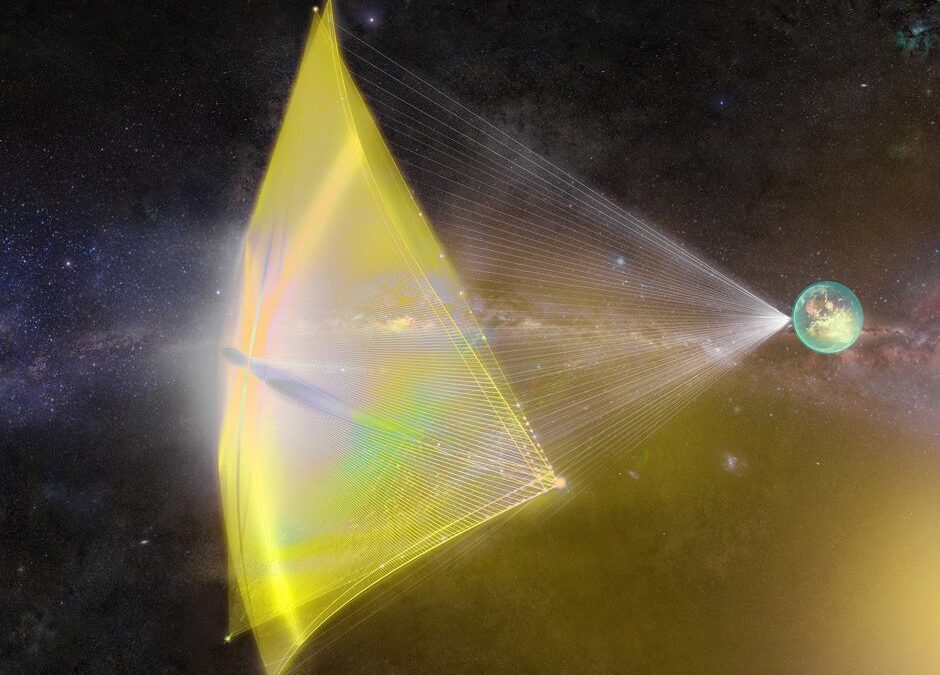
[ad_1] It was 1903 that the Wright brothers made the first successful self-propelled flight. Launching themselves to history, they set the foundations for transatlantic flights, supersonic flight and perhaps even the exploration of the Solar System. Now we are on the...
by rmil2k | Apr 21, 2024 | News
[ad_1] The Copernicus Sentinel-2 mission captured a rare, almost cloud-free image over the Mekong Delta and the city of Can Tho in southwest Vietnam.Zoom in to explore this image at its full 10 m resolution or click on the circles to learn more. The Mekong Delta is a...
by rmil2k | Apr 21, 2024 | News
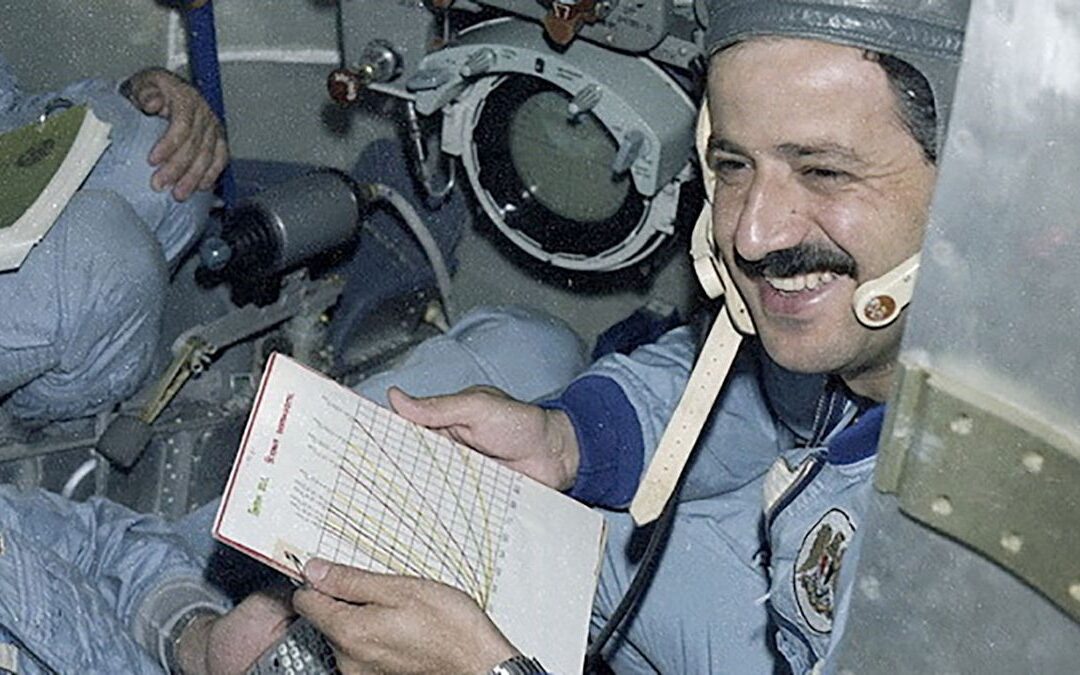
[ad_1] Muhammed Faris, who was the first cosmonaut from Syria and second Arab to fly into space, has died at the age of 72.Faris’ death on Friday (April 19) was reported by Syrian media. According to the reports, he died as a result of a long illness in Türkiye,...
by rmil2k | Apr 21, 2024 | News
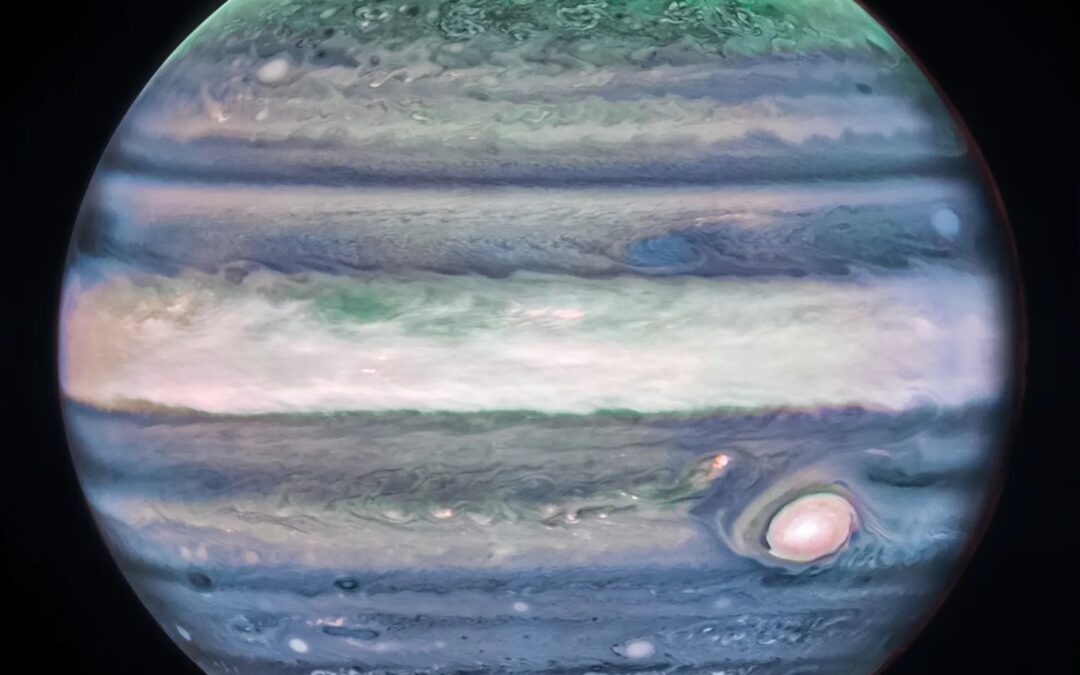
[ad_1] Back to Article List Jupiter is the largest planet in our solar system, with a diameter of 89,000 miles. Jupiter image taken by the James Webb Space Telescope. Credit: NASA. Temperature: The average temperature at the top of clouds on Jupiter is –244° F (–153°...
by rmil2k | Apr 20, 2024 | News
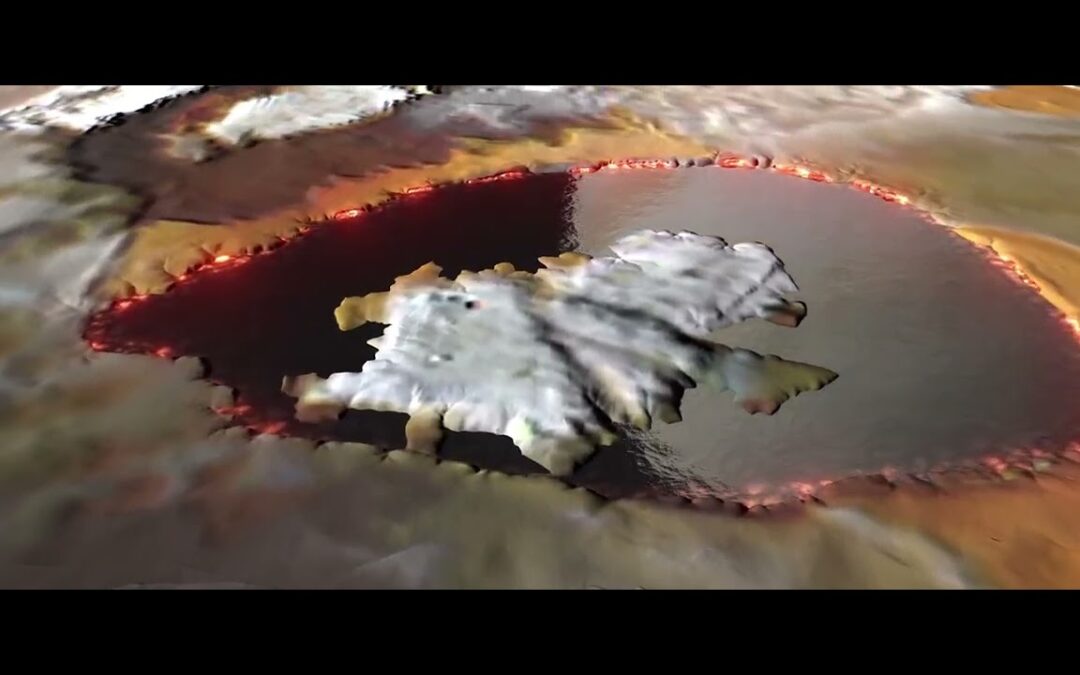
[ad_1] NASA’s Juno spacecraft came within 1,500 km (930 miles) of the surface of Jupiter’s moon Io in two recent flybys. That’s close enough to reveal new details on the surface of this moon, the most volcanic object in the Solar System. Not only did Juno capture...