[ad_1] The Copernicus Sentinel-2 mission takes us over Venezuela’s Lake Maracaibo, the largest natural body of water in South America.Zoom in to explore this image at its full 10 m resolution or click on the circles to learn more.The vase-shaped Lake Maracaibo extends...
We Are StarStuff
Astronaut Ken Mattingly, who launched to the moon on Apollo 16, dies at 87
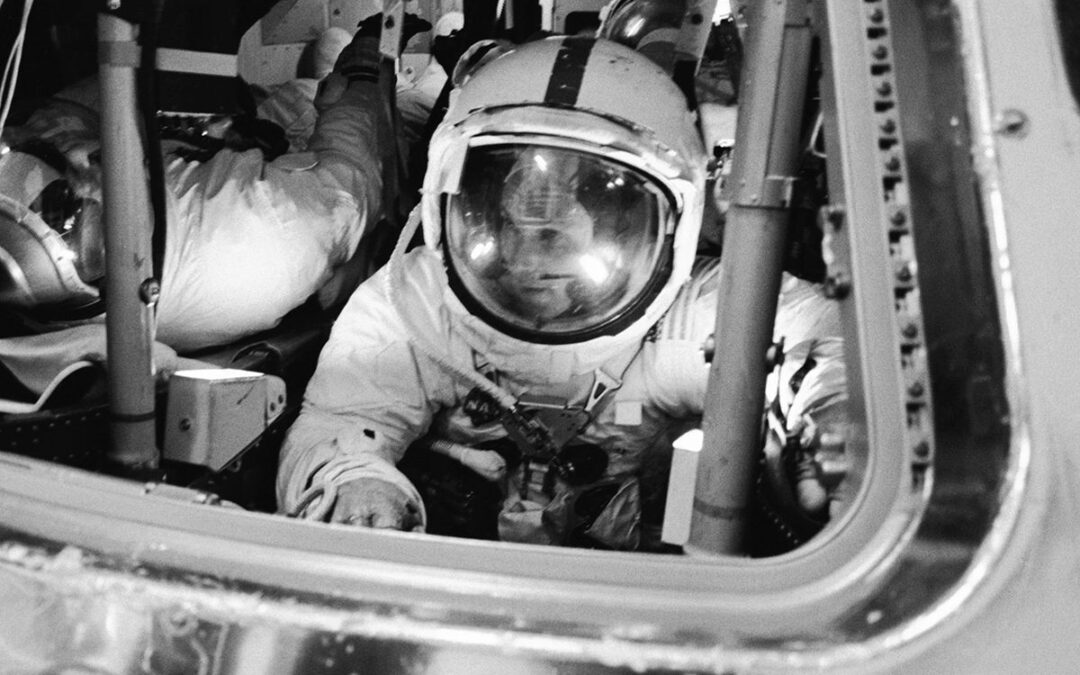
[ad_1] For the record, Ken Mattingly never did get the German measles.The former NASA astronaut, who in 1970 was pulled from the Apollo 13 crew due to being exposed to the Rubella virus, died on Tuesday (Oct. 31) at the age of 87. Mattingly's death was confirmed by...
NASA’s robot prospectors blaze a trail that humans may follow
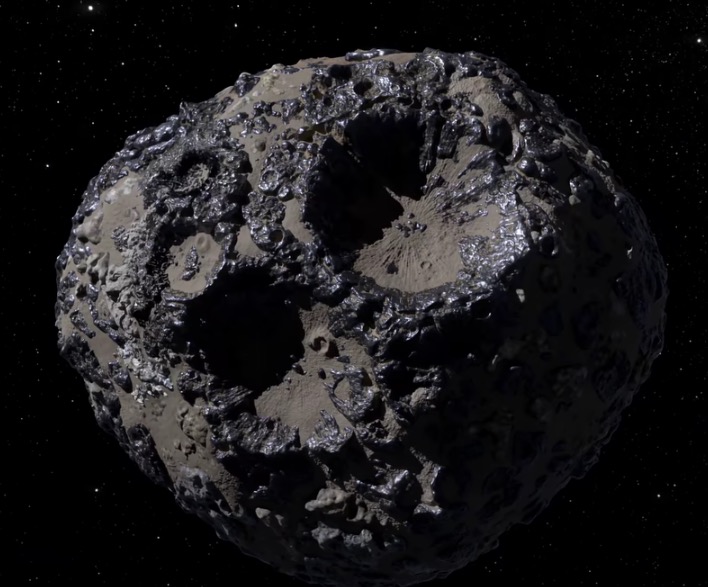
[ad_1] A computer-generated image of the metal-rich Psyche asteroid. Credit: NASA. The cars, cellphones, computers and televisions that people in the U.S. use every day require metals like copper, cobalt and platinum to build. Demand from the electronics industry for...
Devastating Clouds of Dust Helped End the Reign of the Dinosaurs
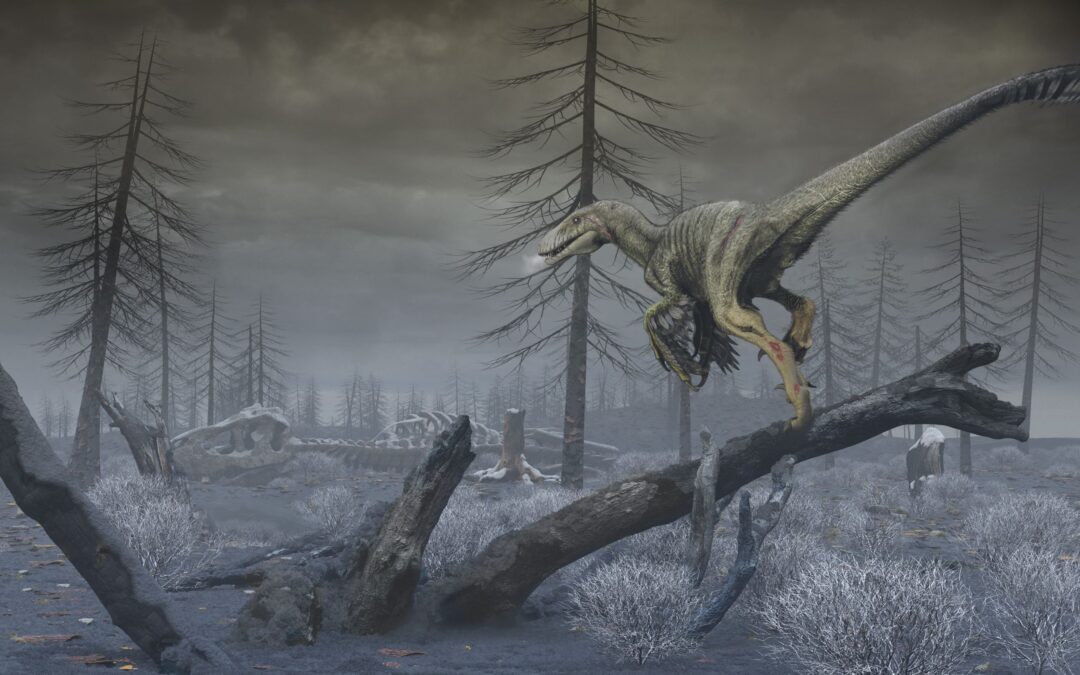
[ad_1] When a giant meteor crashed into Earth 66 million years ago, the impact pulverized cubic kilometers of rock and blasted the dust and debris into the Earth’s atmosphere. It was previously believed that sulfur from the impact and soot from the global fires that...
ESA – The future’s magnetic pull
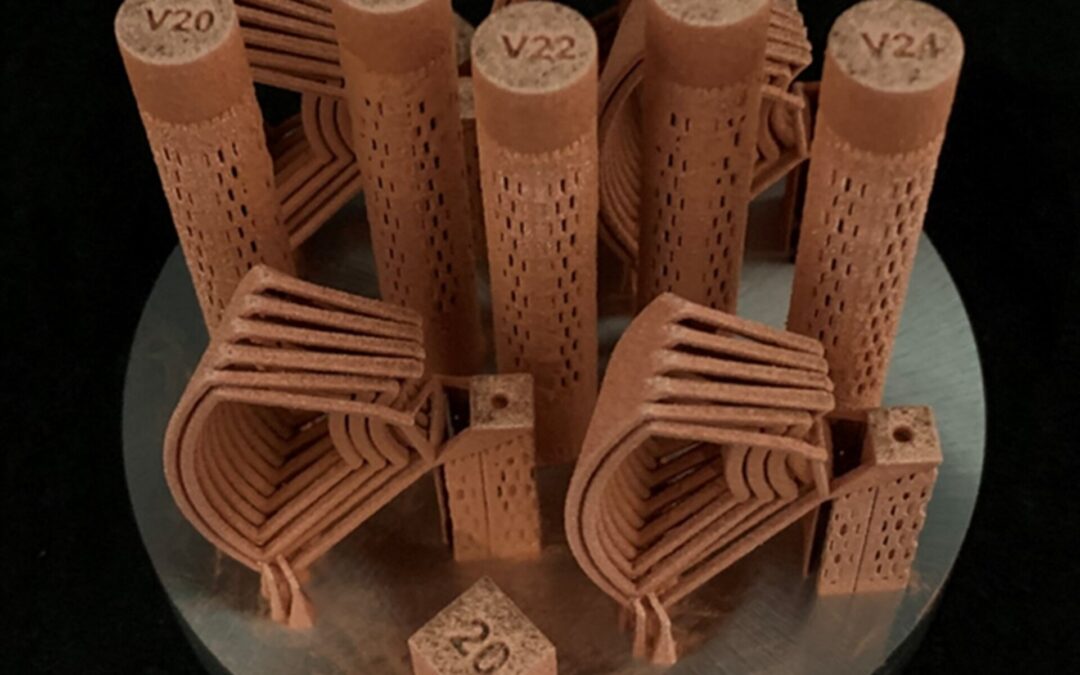
[ad_1] These are test versions of electromagnetic coils – versatile tools for space missions – which have been 3D printed in pure copper to produce the required magnetic field shapes.These are the outputs of just one of more than 2 000 research contracts undertaken...
NASA’s Lucy spacecraft successfully completes 1st flyby of asteroid ‘Dinky’
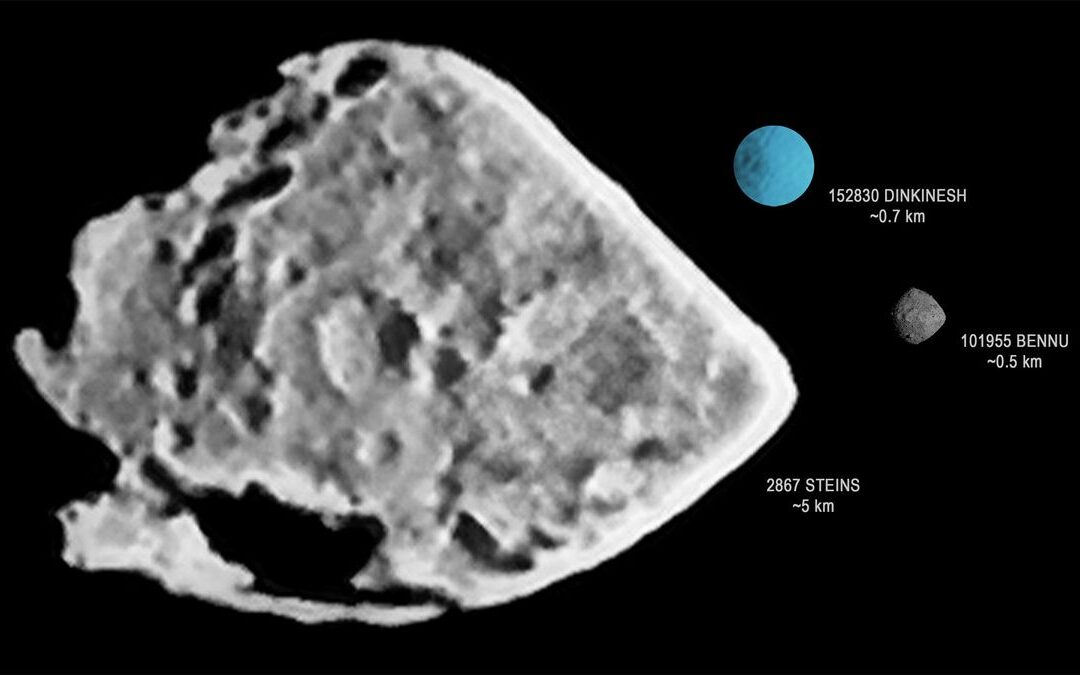
[ad_1] On Nov. 1, NASA confirmed its Lucy spacecraft successfully completed a flyby of asteroid Dinkinesh, a relatively small space rock located in the main belt between Mars and Jupiter. This marks a milestone in Lucy's journey, as Dinkinesh, or 'Dinky,' is the...
Why Titan should be on humanity’s must-visit list
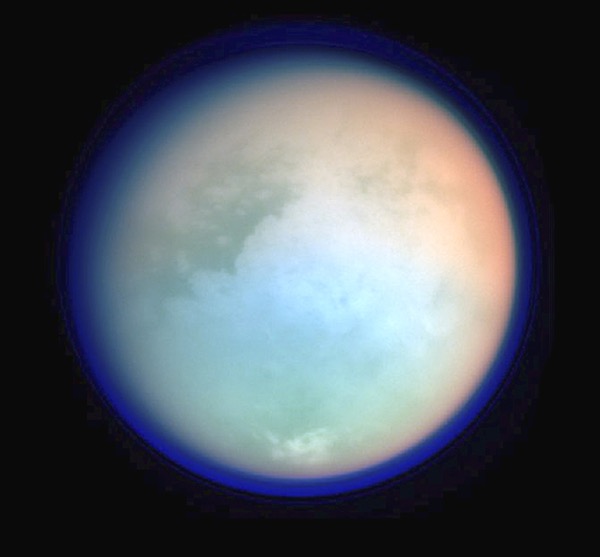
[ad_1] Back to Article List Saturn's largest moon has vast resources, an atmosphere, and the potential for 'safe habitation.' Titan’s dense atmosphere (dark blue) extends hundreds of miles above the world’s surface, as seen in this false-color mosiac captured by the...
Can There Be Double Gravitational Lenses?
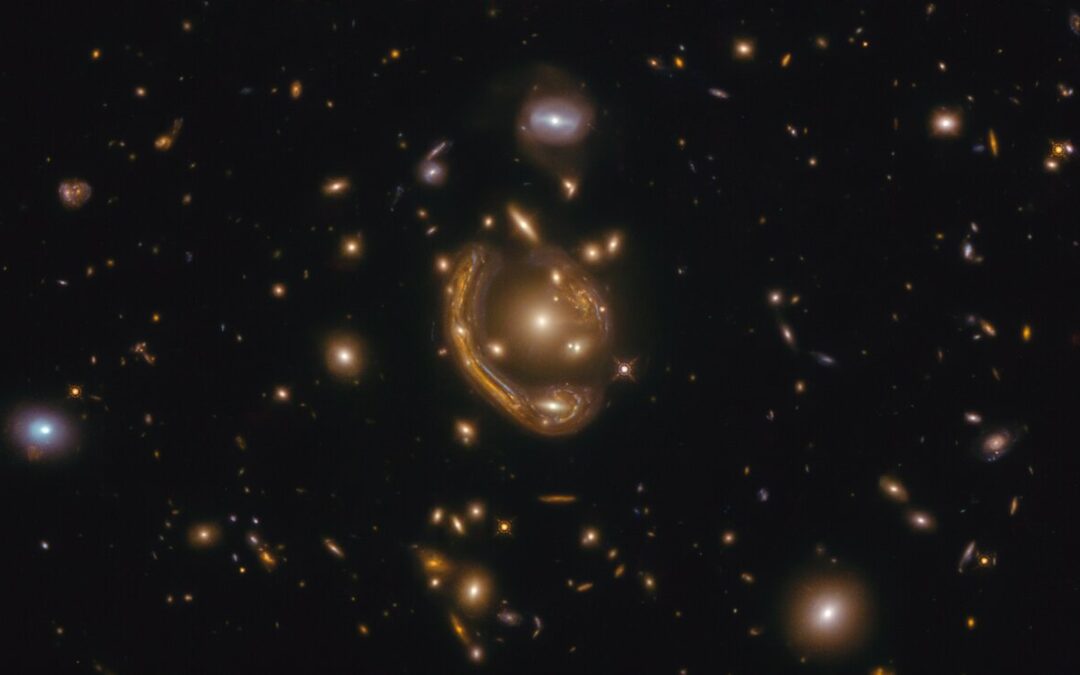
[ad_1] If you, like me, have used telescopes to gaze out at the wonders of the Universe, then you too may have been a little captivated by the topic of gravitational lensing. Think about it: how cool is it that the very universe we are trying to explore is actually...
Euclid: Gate to the dark
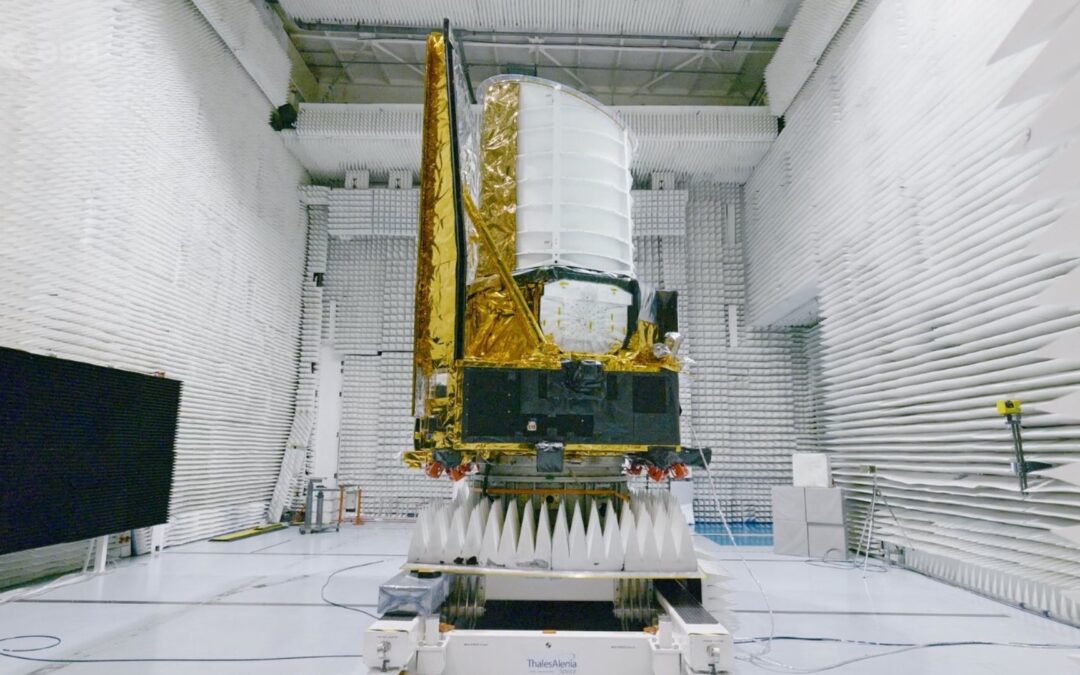
[ad_1] ESA’s Euclid mission is on a quest to unveil the nature of two elusive ‘dark’ entities. As the renowned theoretical physicist Stephen Hawking remarked in 2013, “The missing link in cosmology is the nature of dark matter and dark energy”.During the last 70...
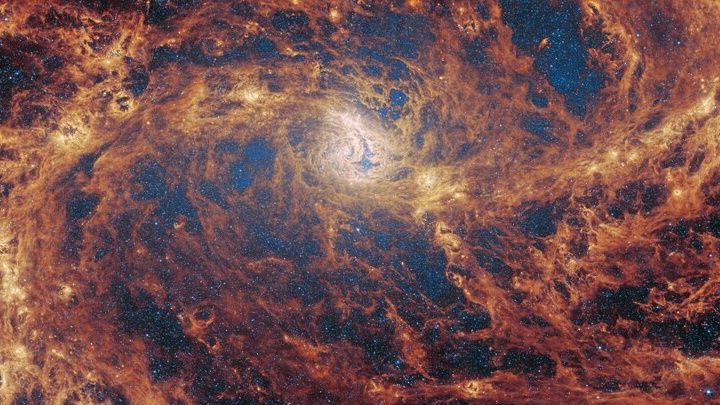
James Webb Space Telescope gazes into a galactic garden of budding stars
[ad_1] This stunning spiral isn’t a gateway to the abyss. It’s the galaxy M83, as seen through the eyes of the James Webb Space Telescope (JWST). More specifically, the spaceborne observatory captured this image by tapping into one of its powerful infrared devices,...