We Are StarStuff

News
Hubble finds bizarre explosion in unexpected place

Hubble finds bizarre explosion in unexpected place

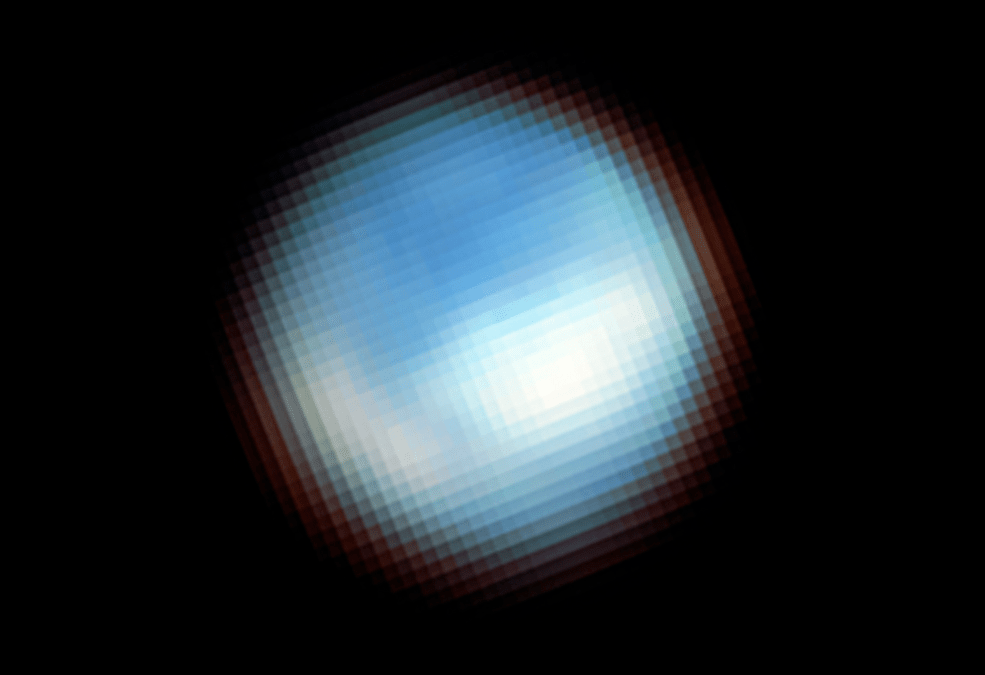
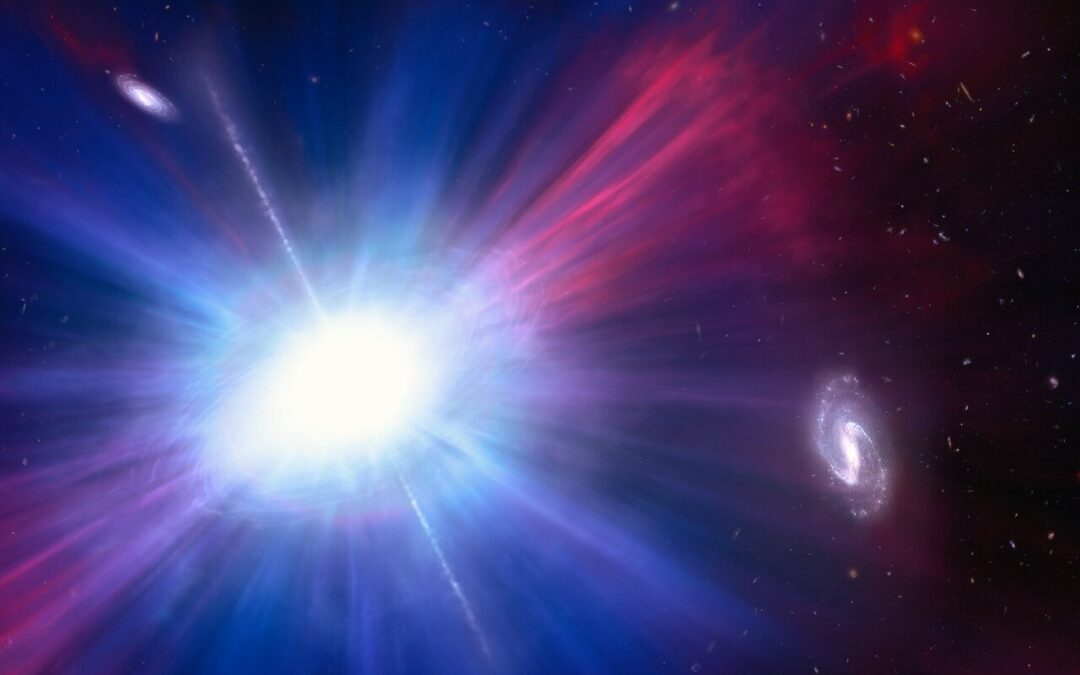
[ad_1] heic2309 — Science Release 5 October 2023 A very rare, strange burst of extraordinarily bright light in the universe just got even stranger – thanks to the eagle-eye of the NASA/ESA Hubble Space Telescope. The phenomenon, called a Luminous Fast Blue Optical...
read more
Parker Makes its Closest and Fastest Solar Flyby

Parker Makes its Closest and Fastest Solar Flyby

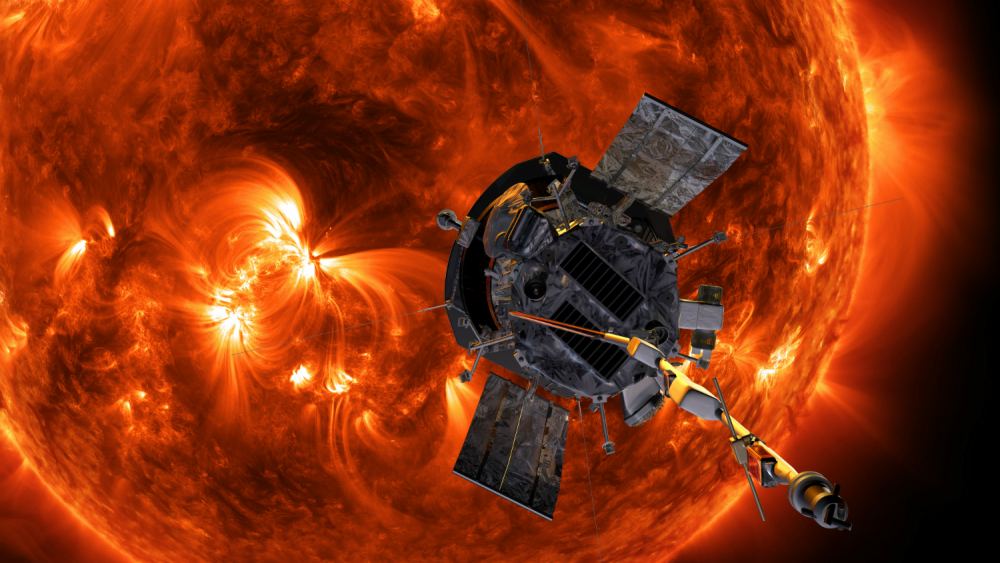
[ad_1] The Parker Solar Probe is the little engine that just keeps going and going by the Sun. On September 27th, it made its 17th close approach and skimmed just 7.26 million kilometers (4.51 million miles) above the sun’s “surface” layer (called the photosphere)....

read more
Guide stars found as Euclid’s navigation fine tuned

Guide stars found as Euclid’s navigation fine tuned

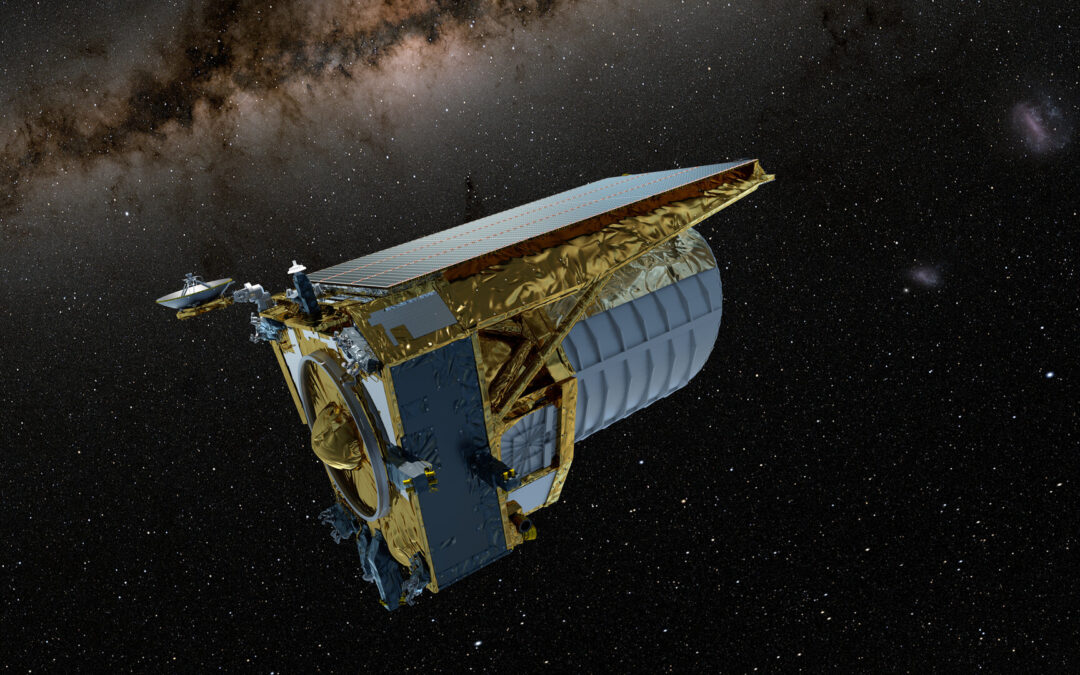
[ad_1] Science & Exploration 05/10/2023 4217 views 36 likes In brief Euclid has found its ‘lost’ guide stars as a software patch has solved its navigation woes and the next six years of observation schedules have been redesigned to avoid stray sunlight: it’s the...

read more
Which exoplanets could host life?

Which exoplanets could host life?

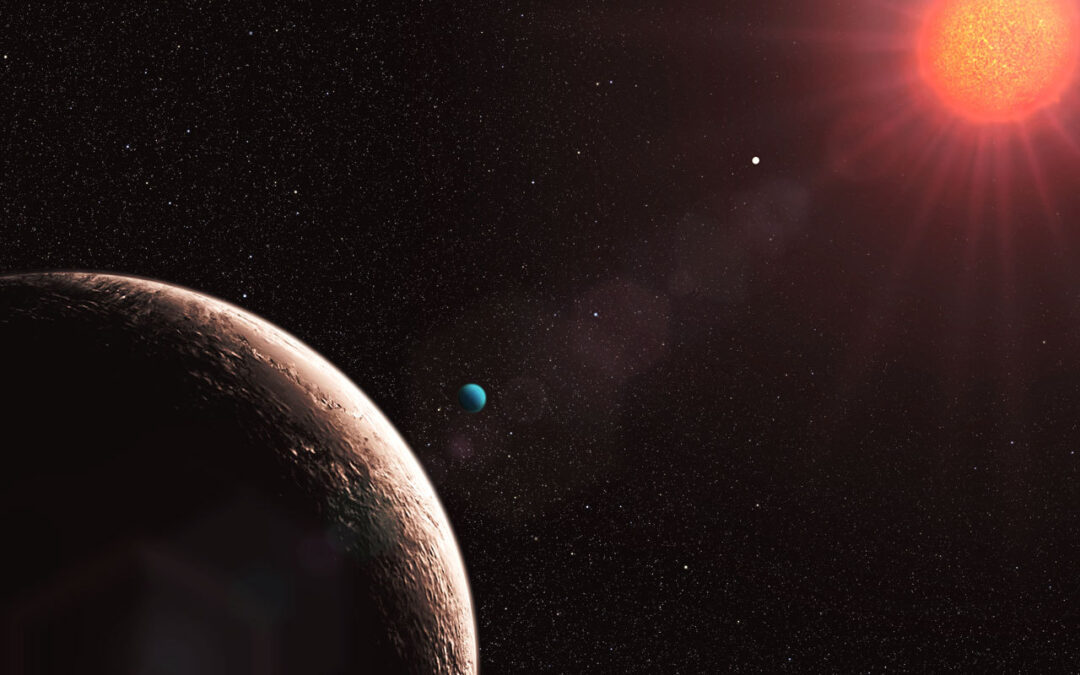
[ad_1] This artist’s impression of Gliese 581 planetary system, which is 20.5 light years away from Earth and hosts four planets, all larger than Earth. Credit: ESO/L. Calçada I remember well the thunderous moment in 1992 when astronomers discovered the first planet...

read more
Watch OSIRIS-REx Release its Sample Capsule

Watch OSIRIS-REx Release its Sample Capsule

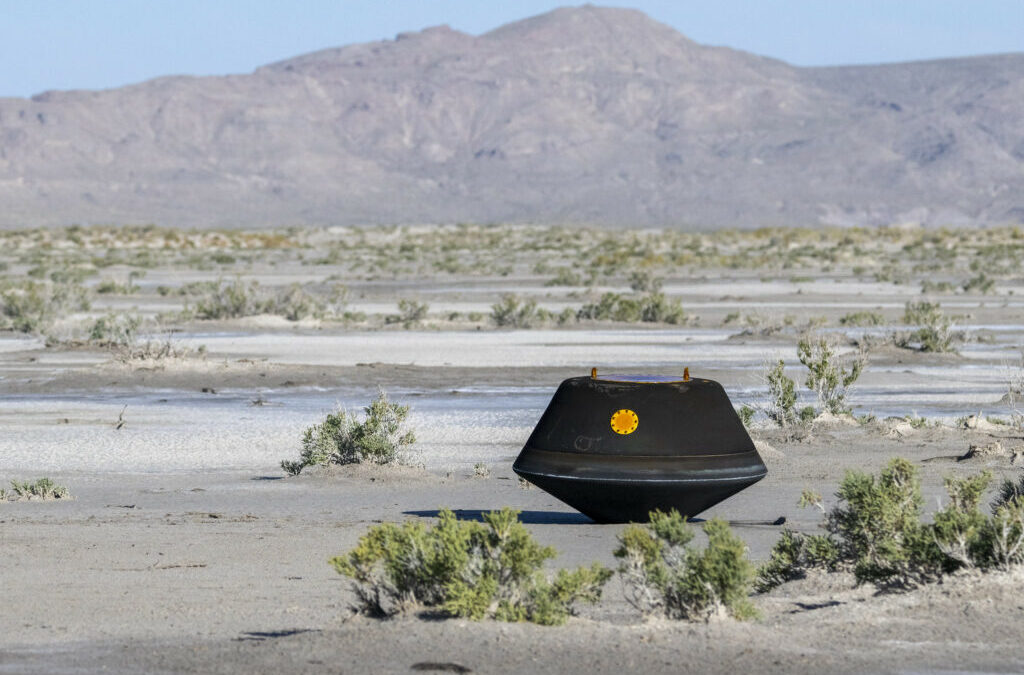
[ad_1] Most of the spacecraft we send out into the Solar System are never meant to return. Time, space, and entropy overtake them, or else they’re purposely sent crashing to their doom at the end of their missions. But not OSIRIS-REx. Its mission was only a success...

read more
Ozone hole goes large again

Ozone hole goes large again

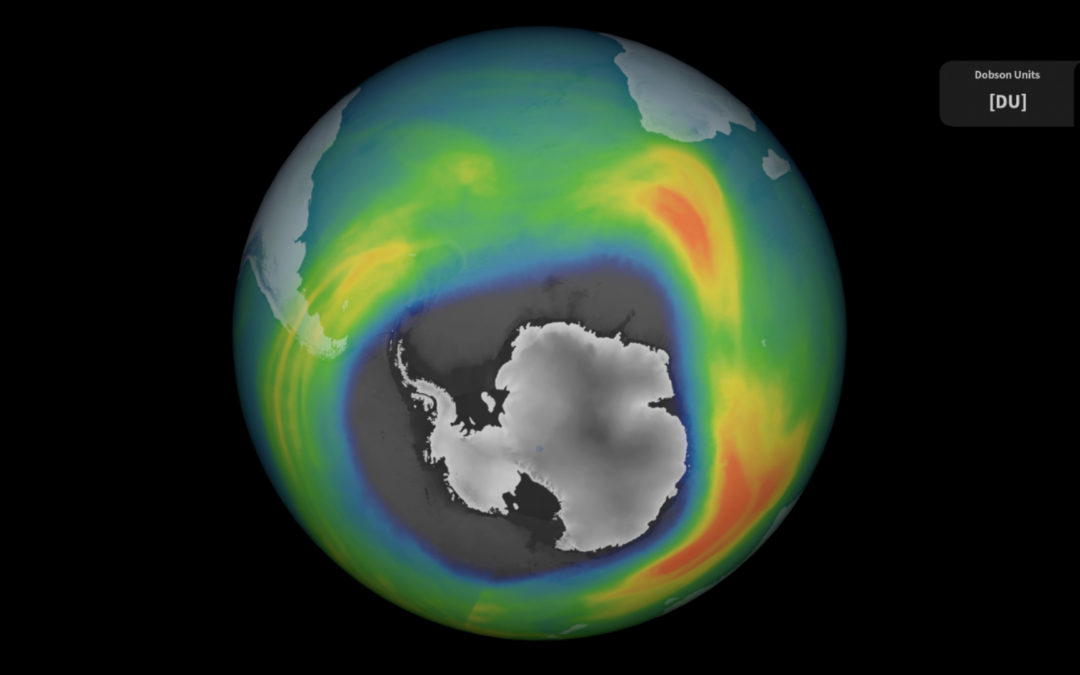
[ad_1] Applications 04/10/2023 1651 views 31 likes Measurements from the Copernicus Sentinel-5P satellite show that this year’s ozone hole over Antarctica is one of the biggest on record. The hole, which is what scientists call an ‘ozone depleting area,’ reached a...

read more