We Are StarStuff

News
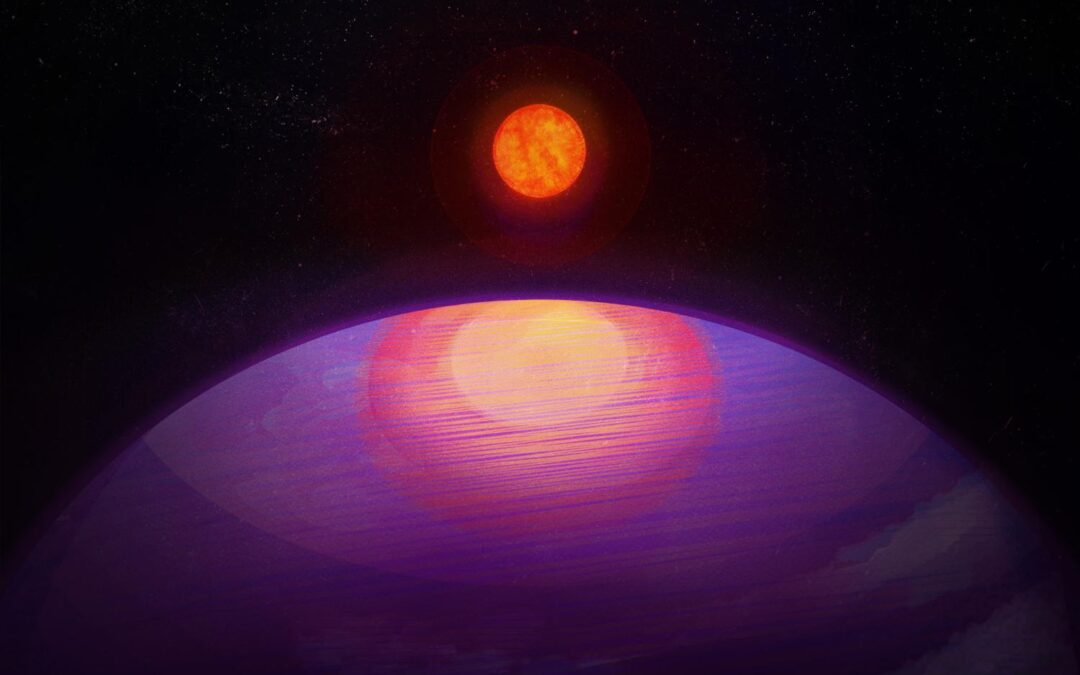
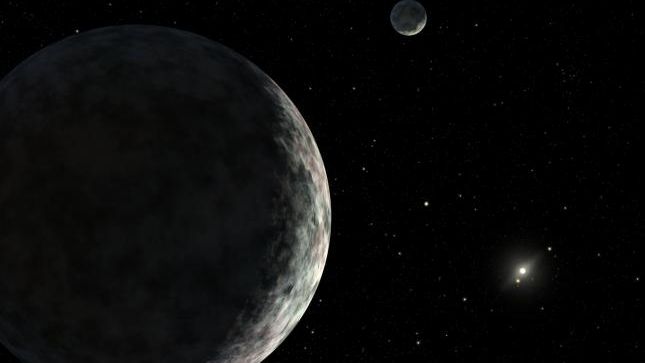
This Planet is Way Too Big for its Star

This Planet is Way Too Big for its Star

[ad_1] Scientists love outliers. Outliers are nature’s way of telling us what its boundaries are and where its limits lie. Rather than being upset when an outlier disrupts their understanding, scientists feed on the curiosity that outliers inspire. It’s true in the...

read more
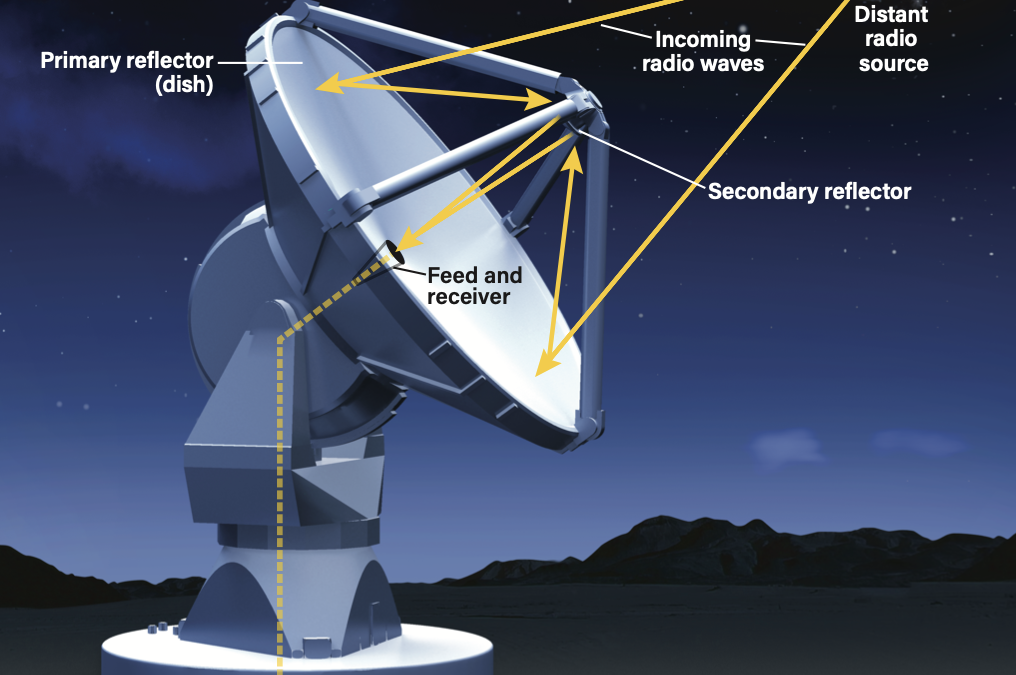
How do radio telescopes work?

How do radio telescopes work?

[ad_1] Back to Article List From the December 2023 issue Clever engineering and electronics allow radio astronomers to build up images from the focused observations these telescopes make. Radio telescopes observe by reflecting incoming radio waves to a point above the...

read more
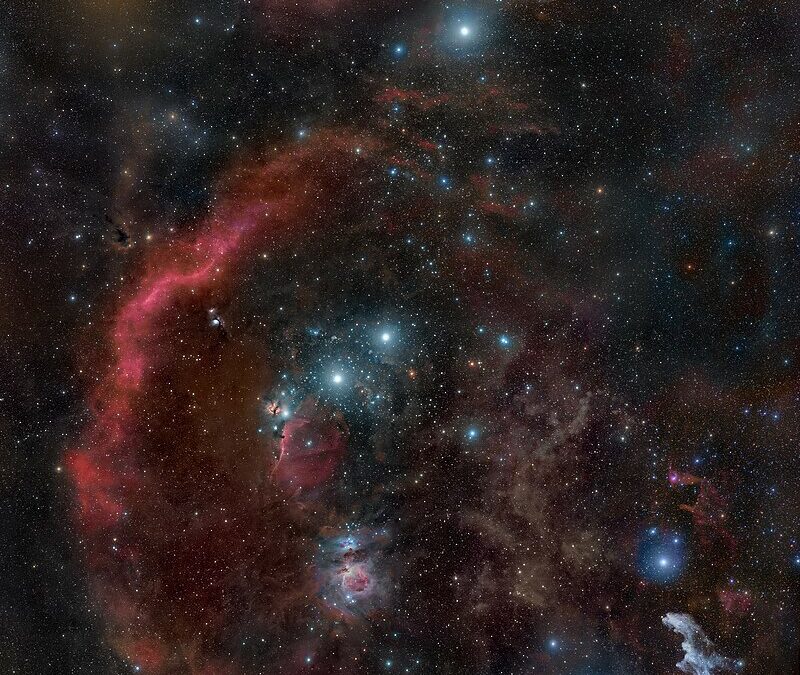
Does Betelgeuse Even Rotate? Maybe Not

Does Betelgeuse Even Rotate? Maybe Not

[ad_1] Betelgeuse is the well known red giant star in the corner of Orion the hunter. The name translated in some languages means ‘armpit of the giant’ which I think of all the star names, is simply the best! Betelgeuse has been fascinating observers of late not only...

read more
ESA and UNEP collaborate for a greener future

ESA and UNEP collaborate for a greener future

[ad_1] Applications 04/12/2023 78 views 1 likes In a significant step towards a more sustainable future, ESA and the United Nations Environment Programme (UNEP) have signed a Memorandum of Understanding during Earth Information Day at COP28 currently taking place in...

read more
Secret Sky: Seeing sunspots on paper

Secret Sky: Seeing sunspots on paper

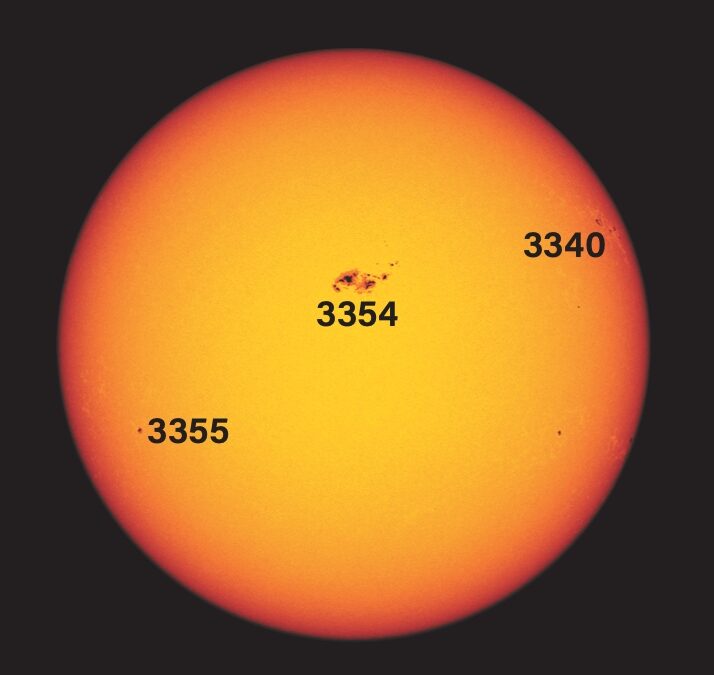
[ad_1] The giant sunspot AR 3354 on June 29, 2023. Credit: Solar Dynamics Observatory During partial phases of a solar eclipse, one popular activity is to project and capture solar crescents when trees are in leaf. Tiny spaces between leaves can act as natural pinhole...

read more