We Are StarStuff

News
Researchers race to find Earth’s oldest craters

Researchers race to find Earth’s oldest craters

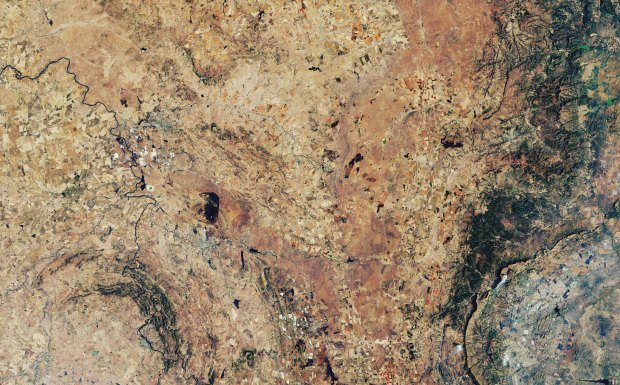
[ad_1] Located in South Africa is the Vredefort Crater measuring 25 miles (40 km) deep and 62 miles (100 km) wide. It is the world's oldest and largest known impact structure. Credit: NASA Earth Observatory/Lauren Dauphin/U.S. Geological Survey. The most common...

read more
Firefoxes and whale spouts light up Earth’s shield

Firefoxes and whale spouts light up Earth’s shield

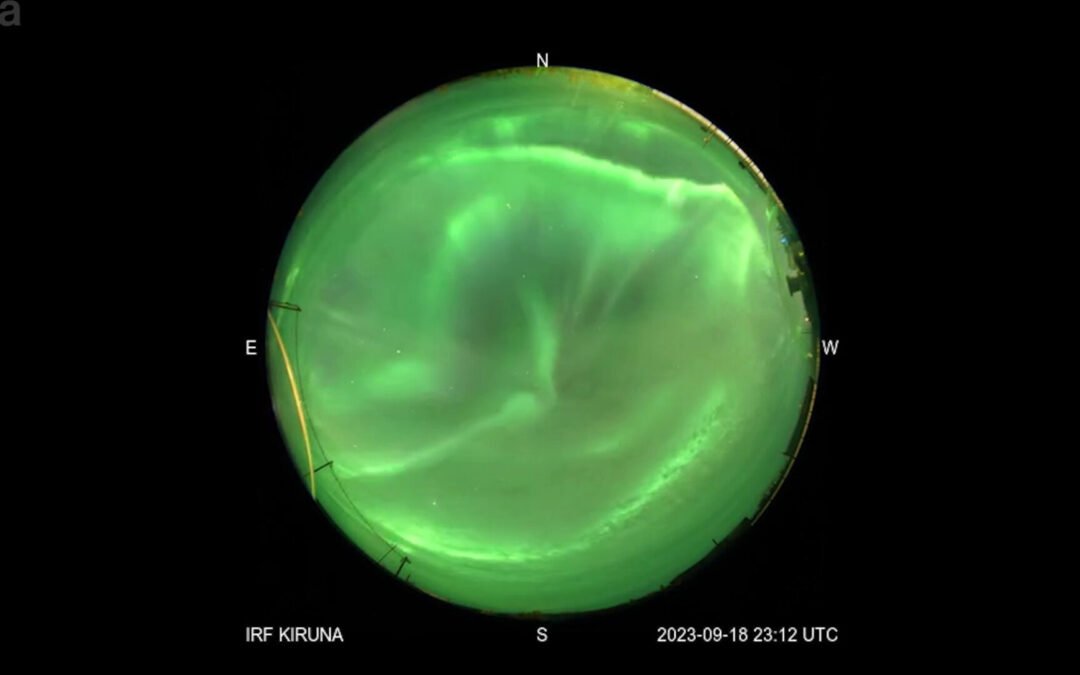
[ad_1] Did you know, the Northern lights or Aurora Borealis are created when the mythical Finnish ‘Firefox’ runs so quickly across the snow that its tail causes sparks to fly into the night sky? At least, that’s one of the stories that has been told in Finland about...

read more

NASA needs you to observe Uranus and Neptune this week

[ad_1] Back to Article List The distant ice giants are currently being watched with Hubble and New Horizons. Scientists want to add your images to the mix. Uranus (left) and Neptune are our solar system's most distant planets. Credit: NASA/JPL-Caltech; NASA The New...

read more
Juice: why’s it taking sooo long

Juice: why’s it taking sooo long

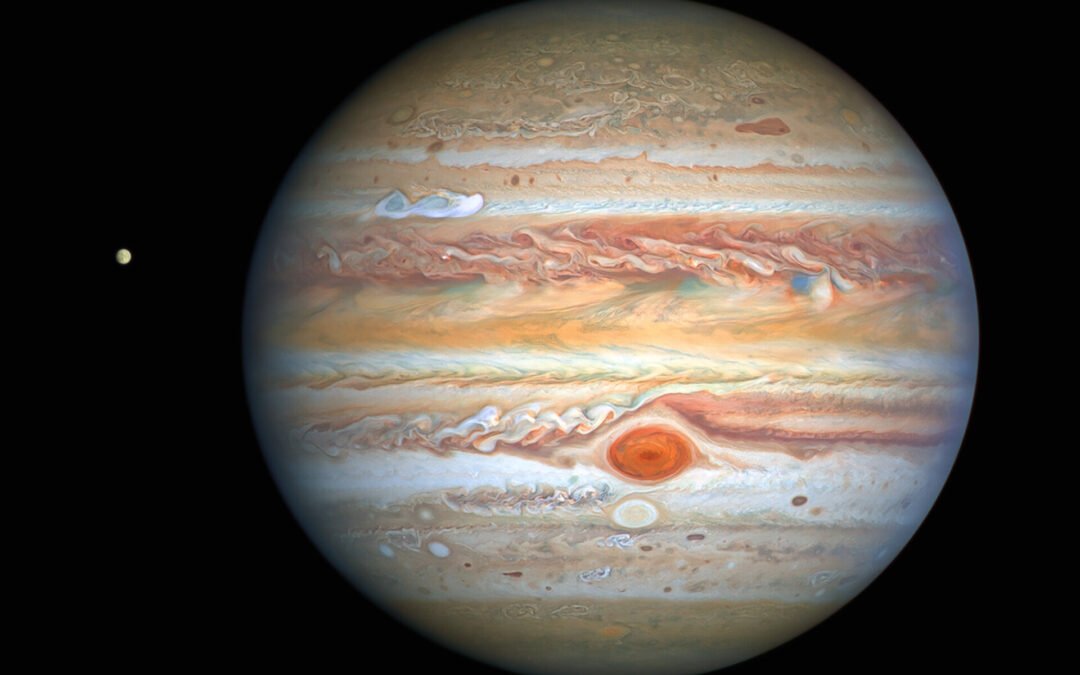
[ad_1] Enabling & Support 19/09/2023 1352 views 30 likes In brief At their closest point in orbit, Earth and Jupiter are separated by almost 600 million kilometres. At the time of writing, five months after launch, Juice has already travelled 370 million...

read more
Webb captures an infant star’s outflow 

Webb captures an infant star’s outflow 

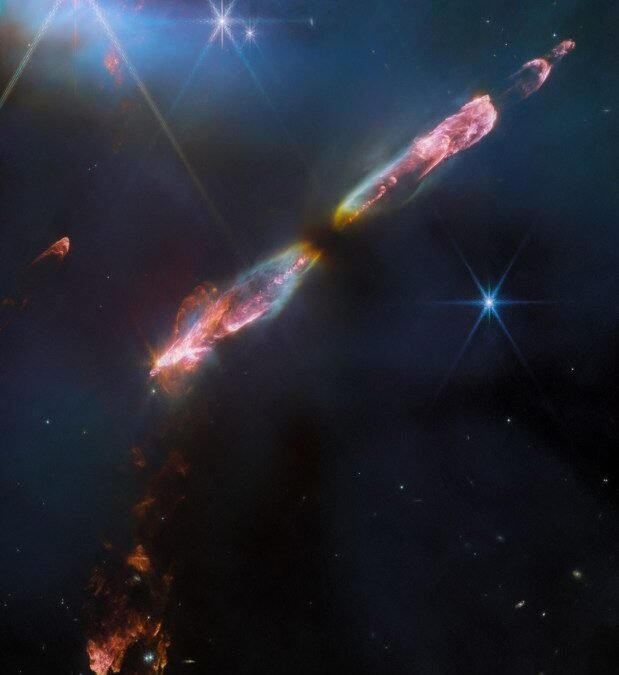
[ad_1] Back to Article List Herbig-Haro 211 provides an unprecedented look at a baby sun. ESA/Webb, NASA, CSA, T. Ray (Dublin Institute for Advanced Studies) A striking image made with the James Webb Space Telescope reveals intricate details of Herbig-Hario 211 (HH...

read more